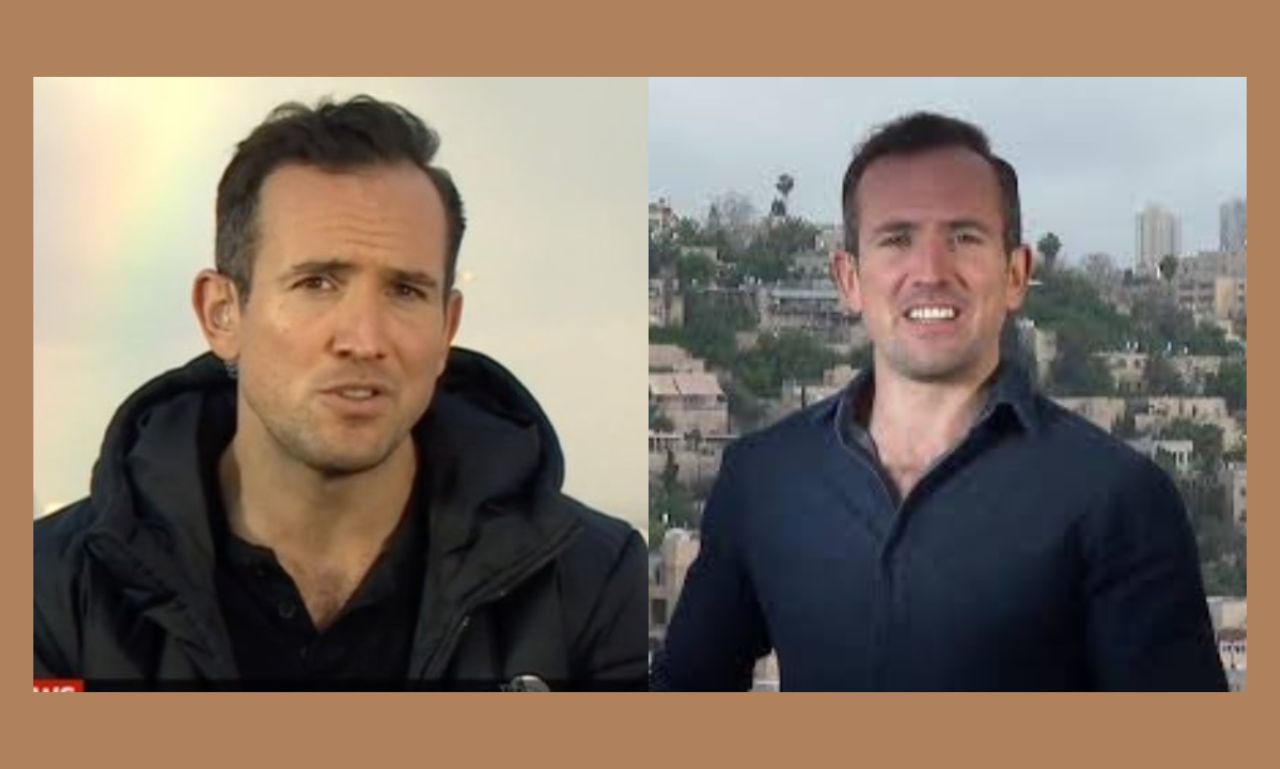
Hugo Bachega is a renowned foreign correspondent whose insightful reporting has made him a household name for those following international breaking news. While many viewers are curious about the hugo bachega nationality, his professional identity is defined by his global journalistic footprint and on-the-ground storytelling. He has built a distinguished career by delivering real-time updates from some of the most complex geopolitical regions across the entire world today.
Have you ever wondered about the cultural background of the reporters bringing you live dispatches from conflict zones? This veteran journalist possesses a unique heritage that shapes his distinctive perspective on world affairs. His cross-border expertise allows him to navigate multilingual environments with ease, providing unfiltered coverage that resonates deeply with diverse global audiences watching from home.
His biographical details reveal a fascinating journey through top-tier media outlets. By blending expert analysis with human-interest narratives, he maintains high editorial standards. Whether covering political shifts or humanitarian crises, his multi-ethnic roots and academic training remain central pillars of his professional legacy in modern broadcast journalism.
Quick Facts
| Feature | Details |
| Full Name | Hugo Bachega |
| Nationality | Brazilian |
| Primary Employer | BBC News |
| Current Role | International Correspondent (Beirut/Ukraine Bureau) |
| Previous Experience | Reuters (News Agency) |
| Core Specialization | Geopolitics, Conflict Reporting, & Humanitarian Issues |
| Education | Degree in Journalism (Academic Training) |
| Languages | Portuguese (Native), English, Spanish |
| Reporting Highlights | Ukraine War, Middle East Crises, Beirut Port Blast |
| Professional Style | Impartial, Field-Based, Human-Interest Focused |
Who Is Hugo Bachega?
Hugo Bachega is a distinguished international correspondent and multimedia journalist currently recognized as one of the prominent faces of BBC News. Known for his calm demeanor while reporting from high-pressure environments, he has become a vital link between complex global events and the public’s understanding of them. Unlike traditional newsreaders, Bachega is a field-oriented professional, often found in the heart of breaking news locations, ranging from the streets of the Middle East to the frontlines of Eastern Europe.
His reporting style is characterized by a commitment to on-the-ground storytelling and impartiality. In an era where digital information moves at lightning speed, his role involves more than just reciting facts; he provides the expert analysis required to help a global audience navigate the nuances of international relations. Whether he is appearing on the BBC World Service or the main television bulletins, his presence signifies a high level of editorial integrity and field experience.
Hugo Bachega Nationality and Ethnic Background
The question of hugo bachega nationality is a frequent point of curiosity for viewers who notice his distinctive, polished accent and global perspective. Hugo Bachega is Brazilian. He was born and raised in Brazil, a background that provides him with a unique “Global South” lens through which to view world affairs. This heritage is central to his identity, allowing him to bridge the gap between Western media perspectives and the realities of developing nations.
His ethnic background is a reflection of the diverse cultural tapestry of Brazil. This multicultural identity has served as a significant professional asset, enabling him to navigate different social strata and cultural environments with ease. While he is now a key figure in British broadcasting, his roots remain a core part of his storytelling, often allowing him to approach stories with an inherent empathy for marginalized or displaced populations.
Early Life and Education
Long before he was a household name in broadcast journalism, Bachega was a student of the world. Growing up in Brazil, he developed an early interest in how information is disseminated and the power of the written word. He pursued a degree in journalism, which provided the foundational academic training necessary for a career in high-stakes reporting. During his formative years, he focused on mastering the mechanics of investigative reporting and narrative structure.
Beyond his formal schooling, his early life was marked by a drive to understand international politics. This led him to seek out opportunities that would take him beyond his home borders. He recognized early on that to be a truly effective foreign correspondent, one must be willing to immerse themselves in unfamiliar cultures. This educational journey wasn’t just about textbooks; it was about developing the linguistic skills and cultural intelligence that would later define his professional legacy.
Journalism Career Journey
The career trajectory of Hugo Bachega is a masterclass in persistence and professional evolution. He began his journey in the fast-paced world of wire services, working for Reuters, one of the world’s most prestigious news agencies. In this environment, he honed his ability to deliver real-time updates and write with extreme precision under tight deadlines. Working for a wire service is often considered the “boot camp” of journalism, and it was here that he developed his unfiltered coverage style.
His transition to the BBC marked a significant shift into multimedia reporting. He moved from text-heavy roles to those involving live dispatches and television production. Over the years, he has held various positions within the network, each increasing in responsibility and scope. His journey has taken him from being a reporter in local bureaus to a veteran journalist trusted with the BBC’s most critical foreign assignments.
Work with International Media Outlets
Bachega’s resume is a testament to his cross-border expertise. While his work with the BBC is his most visible role, his experience with other international media outlets provided him with a broad understanding of how different regions perceive the news. His time at Reuters was instrumental in teaching him how to report for a global audience where every word must be carefully weighed for accuracy and impartiality.
Collaborating with diverse news bureaus around the world has allowed him to build a vast network of contacts, from local fixers to government officials. This network is what enables him to provide exclusive insights that are often unavailable to reporters who only fly in for a single story. His ability to adapt to the editorial standards of various top-tier organizations has made him a versatile asset in the modern media landscape.
Major News Coverage and Reporting Highlights
Throughout his career, Bachega has been at the center of some of the most significant historical events of the 21st century. His reporting highlights include extensive coverage of the Middle East, particularly his time based in Beirut. During this period, he documented the political shifts and humanitarian crises that defined the region, providing a voice to those living through intense conflict zones.
More recently, his work in Ukraine has garnered international acclaim. Reporting from a country in the midst of a major geopolitical conflict, he has provided unfiltered coverage of the frontlines. His reports often focus on the human-interest narratives, such as the lives of internally displaced persons and the resilience of local communities. These assignments are physically and mentally demanding, yet he consistently delivers high-quality journalism that prioritizes the truth over sensationalism.
Language Skills and Global Reporting Advantage
One of Bachega’s most powerful tools is his linguistic flexibility. Being a native Portuguese speaker who is also fluent in English, he possesses a natural advantage in global reporting. However, his skills often extend beyond these two languages. His time spent in the Middle East and various parts of Europe has allowed him to pick up nuances of other languages, which is vital for on-the-ground verification of facts.
- Portuguese: Native fluency, providing deep access to Lusophone Africa, Portugal, and Brazil.
- English: Near-native professional fluency, used for global broadcasting and interviewing world leaders.
- Spanish: High proficiency, enabling coverage across nearly all of Latin America.
- Regional Dialects: Ability to navigate local communication needs during long-term assignments.
This multilingual capability allows him to bypass intermediaries and speak directly to people, ensuring that the cultural background of his subjects is accurately reflected in his reports.
Public Image and Professional Reputation
In the world of modern broadcast journalism, a reporter’s professional reputation is their most valuable currency. Hugo Bachega is widely regarded as a “reporter’s reporter.” He is respected by his peers for his bravery and his commitment to editorial standards. Among the public, his image is one of a trusted expert—someone who can be relied upon to explain the “why” behind the “what.”
His public image is further enhanced by his presence on social media, where he often shares behind-the-scenes glimpses of the logistics of reporting. This transparency helps build trust with a diverse global audience that is increasingly skeptical of traditional media. By maintaining a balance between expert analysis and a relatable, human persona, he has secured his place as a pillar of modern journalism.
Personal Life and Privacy
Despite his high-profile career, Hugo Bachega is known for maintaining a high degree of personal privacy. He rarely shares details about his family or personal life in the public domain. This is a common practice among foreign correspondents who work in sensitive regions or conflict zones, where maintaining a low personal profile is a matter of operational security.
While viewers often wonder about his marital status or his life outside of the newsroom, Bachega keeps the focus strictly on his professional milestones. This boundary-setting allows him to move between high-risk assignments without compromising the safety or privacy of his loved ones. His “global citizen” lifestyle means he is often traveling, making the concept of “home” a fluid one that is secondary to his career commitments.
Conclusion
Hugo Bachega stands as a definitive example of what it means to be an international journalist in 2026. From his roots in Brazil to the frontlines of global crises, his journey is a testament to the power of dedicated storytelling and cultural intelligence. By addressing the curiosity surrounding hugo bachega nationality, we see a professional whose multicultural background is not just a personal trait, but a functional tool that enhances the depth of his reporting.
In an increasingly polarized world, his commitment to impartiality, human-interest narratives, and technical accuracy ensures that he remains a vital voice in the global information ecosystem. Whether through a television screen or a digital clip, his work continues to provide the clarity and context that our modern world desperately requires.
Frequently Asked Questions
What is Hugo Bachega’s official nationality?
Hugo Bachega is a Brazilian journalist, born and raised in Brazil, now working as an international correspondent for the BBC.
Which languages can Hugo Bachega speak fluently?
He is fluent in Portuguese and English, and also possesses professional proficiency in Spanish for reporting across various global regions.
For which major networks has he worked?
Bachega has a distinguished career history working for major international news organizations including Reuters and currently the BBC News network.
What is his primary area of reporting?
He specializes in international relations, focusing on conflict zones, humanitarian crises, and complex geopolitical events across the Middle East and Europe.
Why is his heritage significant to his work?
His Brazilian background provides a unique Global South perspective, helping him deliver nuanced and empathetic storytelling to a diverse audience.
John Locke is the pun-loving creator of Newz Horizon, where wordplay meets witty commentary. With a knack for twisting headlines and tickling funny bones, he brings fresh humor to everyday topics. When he’s not crafting clever puns, John enjoys pondering life, liberty, and the pursuit of punchlines.